Lempuyang Temple Ceremony: Experience Bali’s Sacred Hindu Traditions
- account_circle admin
- calendar_month 26/10/2026
- visibility 13
- comment 0 komentar
- label Lempuyang
Lempuyang Temple Ceremony: Experience Bali’s Sacred Hindu Traditions. Visiting Lempuyang Temple is more than an opportunity to admire Bali’s beautiful mountain scenery and iconic Gate of Heaven. It is also a chance to discover the spiritual traditions that remain an important part of Balinese daily life.
Throughout the year, religious ceremonies take place at Lempuyang Temple, allowing visitors to witness the devotion, prayers, and cultural customs that make this sacred destination so special.
As your local travel host at LempuyangBali.com, we want to help you understand what happens during a temple ceremony, why these rituals matter to the local community, and how to visit respectfully while experiencing the spiritual side of Bali.
What Is a Lempuyang Temple Ceremony?
A Lempuyang Temple ceremony is a Hindu religious ritual performed by Balinese devotees to express gratitude, offer prayers, and maintain a spiritual connection with the divine. Known locally as upacara yadnya, these ceremonies are an important part of Balinese Hinduism and may be held on specific sacred days, temple anniversaries, or other religious occasions.
Lempuyang Temple, also known as Pura Lempuyang Luhur, is one of Bali’s most significant sacred temple complexes. Located on the slopes of Mount Lempuyang in East Bali, the temple is closely associated with spiritual devotion, purification, and the preservation of traditional religious practices.
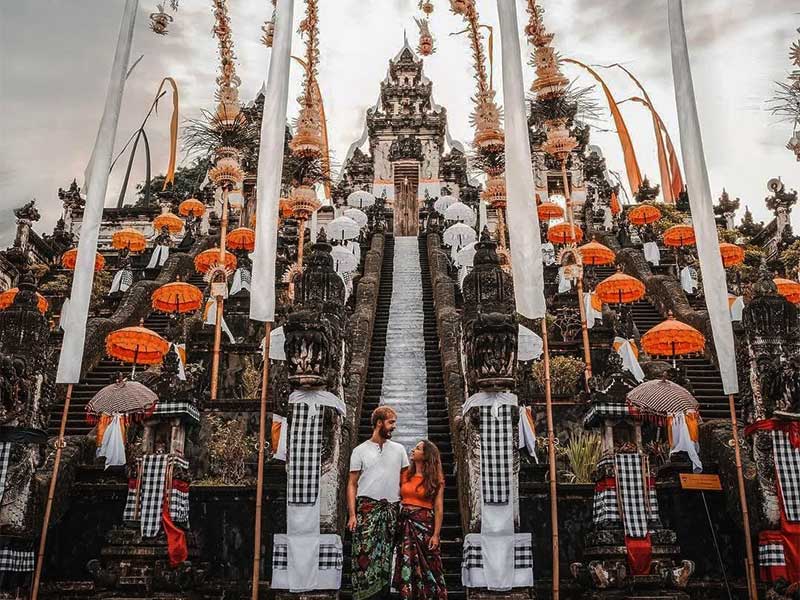
During ceremonial occasions, local worshippers may arrive wearing traditional Balinese clothing and carrying offerings made from flowers, leaves, fruit, and other symbolic items. Priests lead prayers and rituals, while devotees participate in accordance with the customs of their community.
For visitors, witnessing these traditions can offer a deeper understanding of Bali beyond its famous landscapes and tourist attractions.
Why Are Ceremonies Held at Lempuyang Temple?
Temple ceremonies are an essential expression of Balinese Hindu beliefs. They help maintain harmony between people, nature, and the spiritual world.
Several important purposes are associated with religious ceremonies at Lempuyang Temple:
1. Expressing gratitude and devotion
Devotees bring offerings and participate in prayers to express gratitude to God and seek blessings for their families, communities, and daily lives.
2. Honoring the temple’s spiritual significance
Lempuyang Temple is an important place of worship, and ceremonies help preserve its sacred role in the religious life of the local community.
3. Maintaining cultural traditions
Religious ceremonies bring generations together. Traditional clothing, offerings, music, prayers, and ritual practices help pass Balinese cultural heritage from one generation to the next.
4. Celebrating sacred temple occasions
Certain ceremonies take place according to the Balinese Hindu calendar. Temple anniversaries, known as piodalan or odalan, are among the important occasions when devotees gather to pray and make offerings.
What Can You See During a Lempuyang Temple Ceremony?
The details of each ceremony vary depending on the religious occasion. However, visitors may encounter several traditional elements when visiting during a ceremonial period.
1. Balinese Traditional Clothing
Many worshippers wear traditional ceremonial attire. Men commonly wear a kamen (traditional cloth), a shirt or ceremonial top, and an udeng headcloth. Women often wear a kebaya with a kamen and a sash.
The colors and styles may differ depending on the occasion and local customs. Seeing families dressed for prayer provides a glimpse into the importance of religious observance in Balinese life.
2. Beautiful Traditional Offerings
Offerings, commonly called banten or canang sari depending on their form and purpose, play an important role in Balinese Hindu worship.
They may contain flowers, leaves, rice, fruit, and other carefully arranged items. Each offering has its own ritual meaning, and its preparation often involves considerable care and dedication.
During a ceremony, you may see devotees carrying offerings to designated areas of the temple before participating in prayers.
3. Prayer and Religious Rituals
Prayer is central to temple ceremonies. Worshippers may sit or kneel in designated areas while a priest leads parts of the ritual.
Incense, holy water, flowers, and traditional prayers may be used according to the ceremony. Visitors should remember that these activities are acts of worship, not performances arranged for tourists.
4. Traditional Music and Ceremonial Processions
Some temple celebrations include traditional Balinese music, ceremonial processions, or other community activities. These elements are not present at every visit, as the program depends on the specific religious occasion.
If you encounter a procession, observe from an appropriate distance and allow worshippers to continue without obstruction.
5. A Peaceful Spiritual Atmosphere
Even when a ceremony is attended by many people, the temple remains a sacred space for prayer and worship. Visitors might catch the scent of incense, hear the chanting of prayers, and observe the meticulous preparation of offerings.
For many travelers, this experience offers a different perspective on Pura Lempuyang, complementing the stunning scenery and photo opportunities that have made this destination so famous.
When Is the Lempuyang Temple Ceremony Held?
There are no fixed, set dates for all ceremonies at Pura Lempuyang. Religious activities follow the Balinese Hindu calendar, meaning various ceremonies can take place throughout the year.
One significant event is the *piodalan*, the anniversary of the temple’s founding, which follows its own sacred calendar. Other religious activities may be held on specific holy days or in accordance with the unique traditions of the temple.
The Ceremonies generally take place every six months (according to the Balinese calendar) on Wraspati Umanis Dungulan (one day after Galungan Day). As well as on certain holy days, such as *Purnama Kapat* (the fourth full moon).
Because ceremony dates and access policies can change, we recommend consulting with a local guide or temple administrator before planning a visit specifically to witness a ritual.
Advice from our local guides: If you wish to witness a ceremony, please let us know before your trip. We can help plan your visit to Pura Lempuyang based on the latest information from local residents, while always keeping in mind that religious activities take precedence over tourism.
Please note that the performance of ceremonies on specific dates cannot be guaranteed, and visitors may not be permitted to enter certain areas while religious processions are taking place.
Can Tourists Join a Lempuyang Temple Ceremony?
Visitors may be able to observe some temple ceremonies, but participation is not automatically permitted. Access depends on the ceremony, temple rules, and guidance from local religious authorities.
In general, tourists should follow the instructions of temple staff and their local guide. If visitors are permitted to participate in a prayer or receive a blessing, they should do so respectfully and follow the guidance provided.
If a ritual is reserved for worshippers, observing quietly from an appropriate location is the best way to show respect.
Remember that Lempuyang Temple is an active place of worship. Its religious significance comes before photography, sightseeing, or other tourist activities.
Dress Code and Etiquette During a Ceremony
When visiting Lempuyang Temple during a religious ceremony, appropriate clothing and respectful behavior are essential.
Here are our recommendations for a comfortable and respectful visit:
- Wear a sarong and sash: These are generally required for entering sacred temple areas. Follow the current instructions provided at the entrance.
- Choose modest clothing: Cover your shoulders and wear clothing that is appropriate for a sacred religious site.
- Speak quietly: Avoid loud conversations, shouting, or disruptive behavior near people who are praying.
- Ask before taking photographs: Never assume that worshippers want to be photographed. Ask permission where appropriate and follow any photography restrictions.
- Do not interrupt rituals: Keep a respectful distance from priests, offerings, and ceremonial processions.
- Follow local instructions: Certain areas may be restricted, particularly during important ceremonies.
- Keep the temple clean: Do not touch or move offerings, leave rubbish, or disturb sacred objects.
- Be patient: Ceremonial activities may cause delays or temporary changes to visitor access.
As a local host, we encourage every visitor to approach Lempuyang Temple with curiosity, patience, and respect for the people who come here to pray.
Read also : Lempuyang Temple Bali Dress Code
Lempuyang Temple Ceremony and the Gate of Heaven
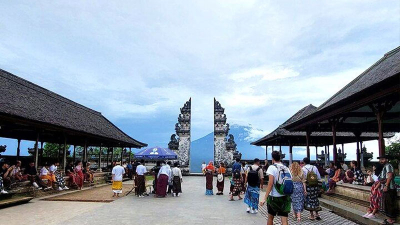
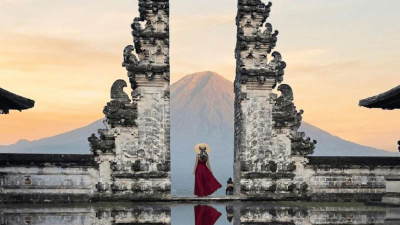
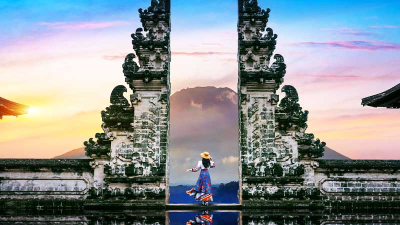
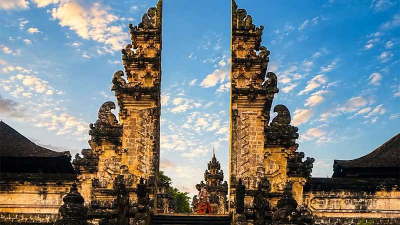
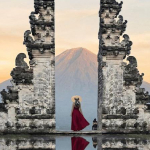
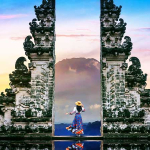
Many travelers recognize Lempuyang Temple for its famous split gate, often called the Gate of Heaven. The view through the gate, with Mount Agung in the background on clear days, has become one of Bali’s best-known photography opportunities.
However, the temple complex is much more than a photo destination. It is a sacred place where Balinese Hindu traditions continue to be practiced.
During ceremonial periods, visitor queues, photography access, and movement around the temple may be adjusted to accommodate worshippers. The iconic gate may also be subject to temporary restrictions.
If you are planning a visit, we recommend allowing enough time to enjoy the surrounding scenery without rushing the religious activities. If a ceremony is taking place, remember that photography may need to wait until worshippers have completed their rituals.
What Should You Know Before Visiting During a Ceremony?
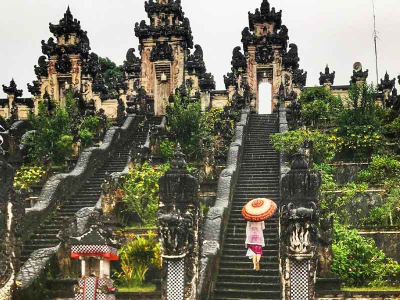
Lempuyang Temple is situated in the mountainous area of East Bali, so preparation can make your visit more comfortable.
- Start early. An early departure can help you avoid some of the busiest sightseeing periods, although ceremony schedules and visitor numbers vary.
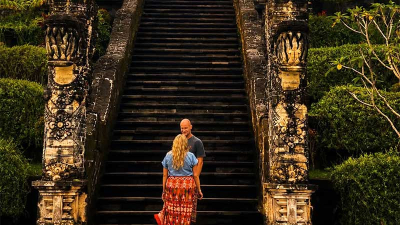
- Bring drinking water. The temple complex involves walking and climbing stairs, so staying hydrated is important.
- Wear comfortable footwear. Choose shoes suitable for walking on steps and uneven surfaces, while following any footwear rules for sacred areas.
- Allow extra travel time. The journey from southern Bali can take several hours depending on your starting point and traffic conditions. Ceremonial events may also affect access and waiting times.
- Check local conditions. Weather, temple access, and ceremony schedules can change. Confirm current arrangements before setting out.
- Consider a local guide. A knowledgeable guide can explain the cultural significance of the temple, help you understand local etiquette, and assist with the practical details of your visit.
Experience the Spiritual Side of Bali With LempuyangBali.com
At LempuyangBali.com, we believe that visiting Lempuyang Temple should be about more than taking a beautiful photograph. Understanding the traditions behind this sacred destination can make your journey more meaningful and memorable.
Whether you are interested in the famous Gate of Heaven, the history of the temple, or the religious customs practiced by local Balinese communities, we can help you plan a visit that combines cultural discovery with the beauty of East Bali.
If you hope to witness a temple ceremony, contact us before your trip so we can help you check the available information and plan accordingly. While ceremony dates and access cannot always be guaranteed, we will help you prepare for a respectful and rewarding experience.
Discover Lempuyang Temple with us and experience a deeper connection with Bali’s culture, spirituality, and timeless traditions.