Is it worth going to Lempuyang Temple
- account_circle admin
- calendar_month 22/03/2026
- visibility 182
- comment 0 komentar
- label Lempuyang
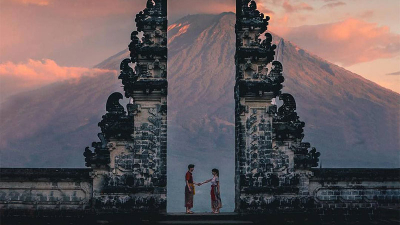
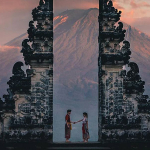
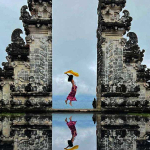
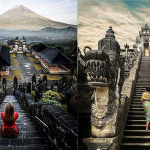
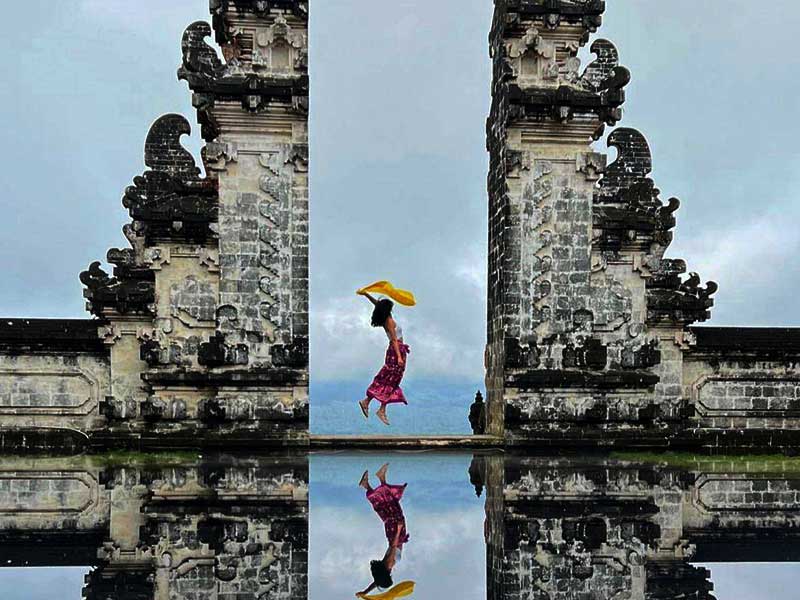
Visiting Lempuyang Temple is well worth it, especially if you’re looking for a spiritual and visually iconic experience in Bali. This temple is widely known as the “Gate of Heaven” because its gate frames the backdrop of Mount Agung. The view often looks like a mirror thanks to creative photography techniques.
However, Lempuyang’s appeal extends beyond Instagram photos; it’s also about the journey to one of Bali’s oldest and most sacred temples.
A trip to Lempuyang offers a different experience than typical tourist destinations.
It’s located in the quieter and more natural Karangasem region, far from the hustle and bustle of areas like Seminyak or Kuta.
To reach the main gate, you’ll need a bit of effort, from the overland journey to the entrance queue. But it’s all worth it when you experience its beauty and spiritual atmosphere firsthand.
Benefits of Visiting Lempuyang Temple – Is it worth going to Lempuyang Temple
1. A Deep Spiritual Experience
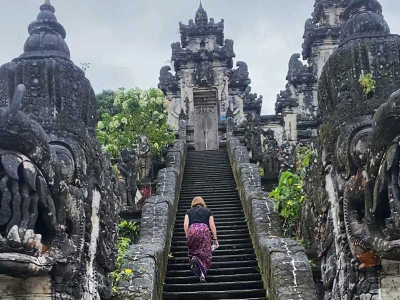
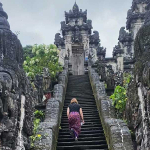
Lempuyang Temple is part of the Sad Kahyangan Jagad, the six main temples in Bali considered the spiritual pillars of the island.
When you visit, you’re not just coming as a tourist, but also being invited to respect local culture and traditions.
Many visitors experience a calm, sacred, and reflective atmosphere while in the temple area.
2. Iconic Photo Spot “Gate of Heaven”
The main gate at Lempuyang Temple is one of the most famous photo spots in the world.
With Mount Agung in the background, the photos look dramatic and stunning.
This is one of the main reasons why tourists from various countries are willing to come early in the morning and even queue to capture the best moments.
3. A Calming Nature Journey
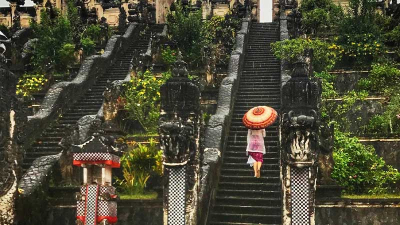
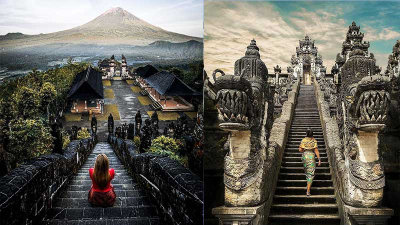
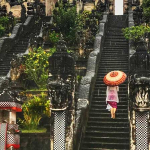
Lempuyang is surrounded by green hills and the pristine atmosphere of Balinese countryside.
On the way to the temple, you’ll pass winding roads with beautiful natural views.
This makes for a pleasant and relaxing road trip experience.
4. Learn More About Balinese Culture
Visiting a temple means you’ll gain a deeper understanding of local customs and regulations, such as the use of sarongs, temple entry procedures, and etiquette within the sacred area.
This is an authentic cultural experience and will enrich your trip to Bali.
Need more information about operating time, please read on this guide Lempuyang Temple opening hours
Things to Know Before Visit Lempuyang Temple
1. Best Time to Come
It’s recommended to arrive very early (around 5:30–7:00 AM) to avoid long lines, especially if you want to take photos at the main gate. Mornings usually offer clearer weather, allowing for a clearer view of Mount Agung.
2. Long Photo Queues
Due to its popularity, queues for photos can last 1–3 hours or more. The system is organized with queue numbers, so you can wait while enjoying the scenery.
3. Dress Code and Etiquette
As a sacred site, visitors are required to wear a sarong and scarf (usually provided on site). Women who are menstruating are not permitted to enter the temple area, in accordance with Balinese customs.
4. Quite a Long Journey
From areas like Denpasar or Ubud, the trip to Lempuyang takes around 2–3 hours. So, it’s best to prepare yourself physically and plan your itinerary well.
5. Weather and Fog
Mount Agung isn’t always clearly visible. It’s sometimes shrouded in mist or clouds, especially during the day. It’s important to manage your expectations.
Having plan to visit, knowing about how much ticket fee on Lempuyang Temple Bali Entrance Fee
Conclusion Is it worth going to Lempuyang Temple?
Lempuyang Temple is a destination that offers more than just pretty photos. The combination of natural beauty, spiritual values, and cultural experiences makes it truly worth visiting in Bali. While it requires time, effort, and patience, the experience is truly memorable and unlike any other tourist destination.
If you enjoy meaningful travel, beyond mere entertainment, then Lempuyang Temple should definitely be on your must-visit list in Bali.